
Neutral vs Non-Neutral Smart Switches: What’s the Difference?

Planning a smart home often starts with the exciting things: controlling your lights from your phone, setting schedules, or switching everything off before bed with one command.
But when it comes to choosing smart switches, one question often comes up: should you choose neutral or non-neutral switches?
The difference goes beyond wiring. It can affect lighting compatibility, installation costs and how you plan your home’s controls. Before buying switches for every room, here is what you should know.

Why does a smart switch need power when the light is off?
A conventional wall switch simply turns the electrical supply to your light on or off.
A smart switch also has internal electronics that communicate with your smart home system. These need power even when the light is off, so the switch can receive your next command.
Neutral and non-neutral switches power these electronics differently. A neutral switch uses a neutral connection at the wall switch box, while a non-neutral switch is designed to work without one at that location.

What is a neutral smart switch?
A neutral smart switch uses live and neutral connections to power its electronics independently of the connected light.
However, having a neutral connection in your lighting circuit does not necessarily mean a neutral wire is available behind your wall switch. Your electrician needs to check each intended switch location.
Neutral switches generally offer a more stable starting point, particularly when controlling low-power LED lights. Their electronics do not rely on a small current passing through the light to stay powered. This reduces dependence on how the connected LED light or driver behaves.
That does not mean every neutral switch will work perfectly with every light. Product quality, correct installation and compatibility still matter.

What about the additional cost?
If neutral wires are not already available at your switch locations, installing them will involve additional electrical work and cost.
The amount depends on your existing wiring, the number of switch locations and how the wiring can be routed.
Check the full cost with your contractor or interior designer before committing to a neutral-switch setup. Ask for the electrical work to be included alongside the switches themselves, so you can assess the overall budget.
If you are renovating, discuss this before your electrical plan is finalised and finishes are completed.

What is a non-neutral smart switch?
A non-neutral smart switch operates without a neutral connection at the wall switch box. It typically draws a small amount of current through the connected lighting circuit to power its electronics.
This can make it a practical option for upgrading an existing home without adding neutral wiring at each switch.
The main consideration is lighting compatibility. Certain combinations, particularly with low-power LEDs, may cause flickering, a faint glow when switched off, or inconsistent operation. Minimum lighting-load requirements also vary between models.
This does not mean non-neutral switches are unsuitable. It means the exact switch and lighting combination should be checked before purchase.

Neutral vs non-neutral: a quick comparison
What to consider | Neutral smart switch | Non-neutral smart switch |
Neutral wire at the wall switch | Required | Not required |
Electrical work | Additional wiring may be needed | May avoid adding neutral wiring |
Stability with LED lighting | Generally less dependent on the connected lighting load | More sensitive to the particular light and driver combination |
Overall cost | Include any additional wiring costs | Confirm installation and compatibility requirements |
Before buying | Check wiring availability and lighting compatibility | Check lighting compatibility and load requirements |

Does every room need smart switches?
You do not need to make every switch smart to enjoy a useful smart home.
Start with your daily routine. Which lights do you regularly forget to turn off? Would switching several living-room lights off together make bedtime easier? Are there areas where a conventional switch already does everything you need?
You might find smart controls useful for shared living areas while keeping simpler controls elsewhere.
Speak with your contractor and interior designer, or visit us at Shiok Lighting. By understanding your ideal lifestyle, we can work together to identify which areas would benefit from smart switches.
Planning around how you live helps you spend on functions you will actually use.
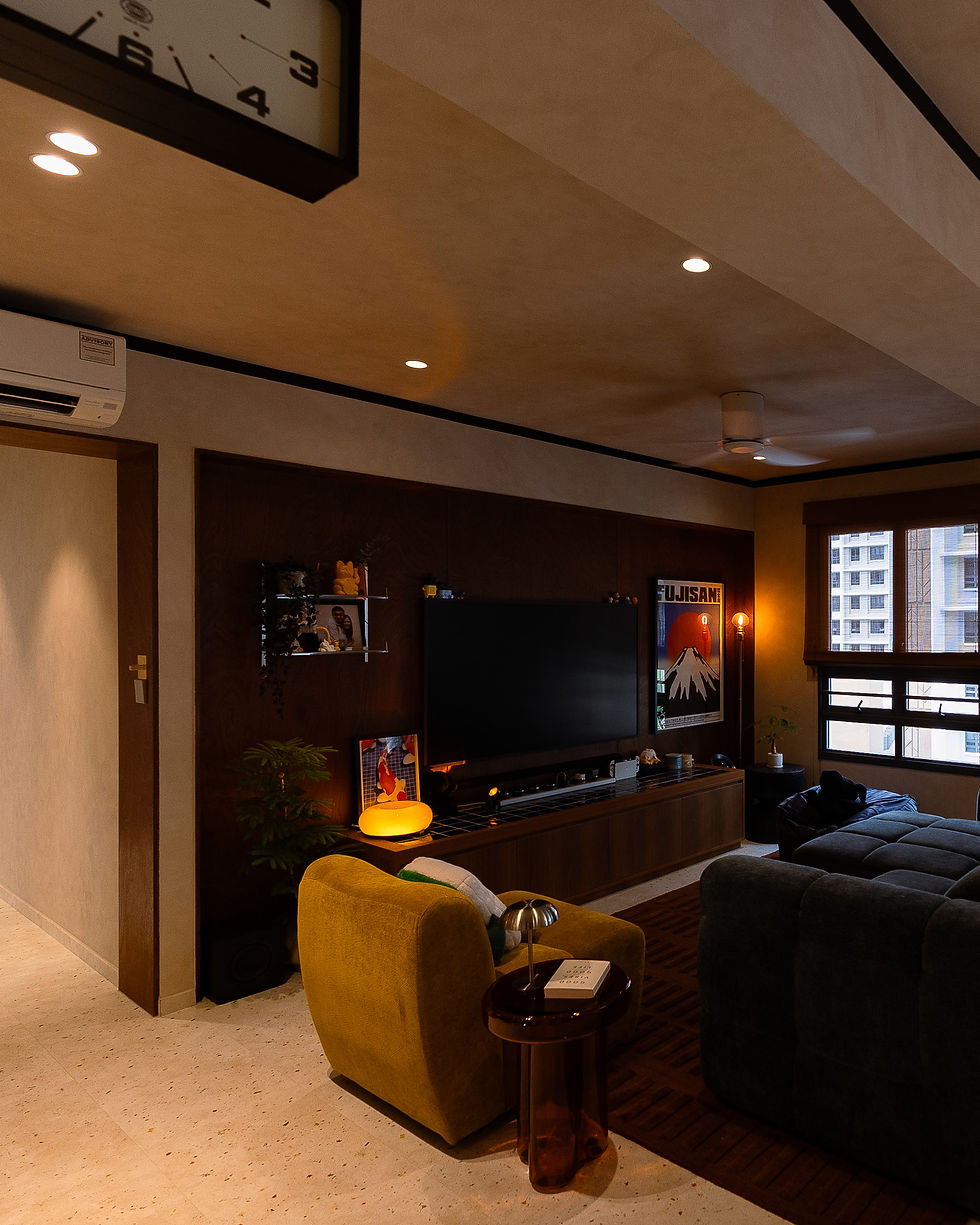
If you already have smart lights, do you need smart switches?
Not necessarily. A smart light already has its own smart controls, so you may be able to use a conventional wall switch and control the light remotely through its compatible app or system.
The important condition is that the wall switch must stay on. If someone switches it off, the smart light loses power and cannot respond to remote commands until power is restored.
For households comfortable with that arrangement, using conventional switches can simplify the setup and save money. It may also avoid additional neutral-wiring costs.
If you want physical wall controls alongside app control, discuss a compatible control arrangement before buying. The goal is to make everyday use convenient for everyone at home.

Have a preferred switch brand? Test it first.
You may already have a switch brand in mind because you like its design or want to use a particular smart home system.
Before purchasing switches for the whole home, we recommend testing your preferred switch with the Shiok Lighting products you intend to use.
Compatibility depends on the exact models involved. A switch working well with one light does not guarantee the same result with another.
Let us know your preferred brand and model early, so we can discuss how to check the combination before you commit.

Plan your lighting and controls together
Choosing between neutral and non-neutral switches starts with three things: your existing wiring, your chosen lights and your lifestyle.
Check electrical costs early, test compatibility, and decide where smart switches will make a meaningful difference. If your lights already have smart functions, consider whether conventional switches will meet your needs.

Visit Shiok Lighting to discuss your lighting plans and how you would like your home to work. Together with your contractor or interior designer, we can help you plan practical controls for everyday living.


Comments